Brampton Cleaning Service Experts
You must have routine sanitation based upon potential hazards, operational volume, allergen concerns, and regulatory checks, plus verification documentation supporting HACCP compliance, inspection results, and public health standards. The information below detail critical cleaning system elements.
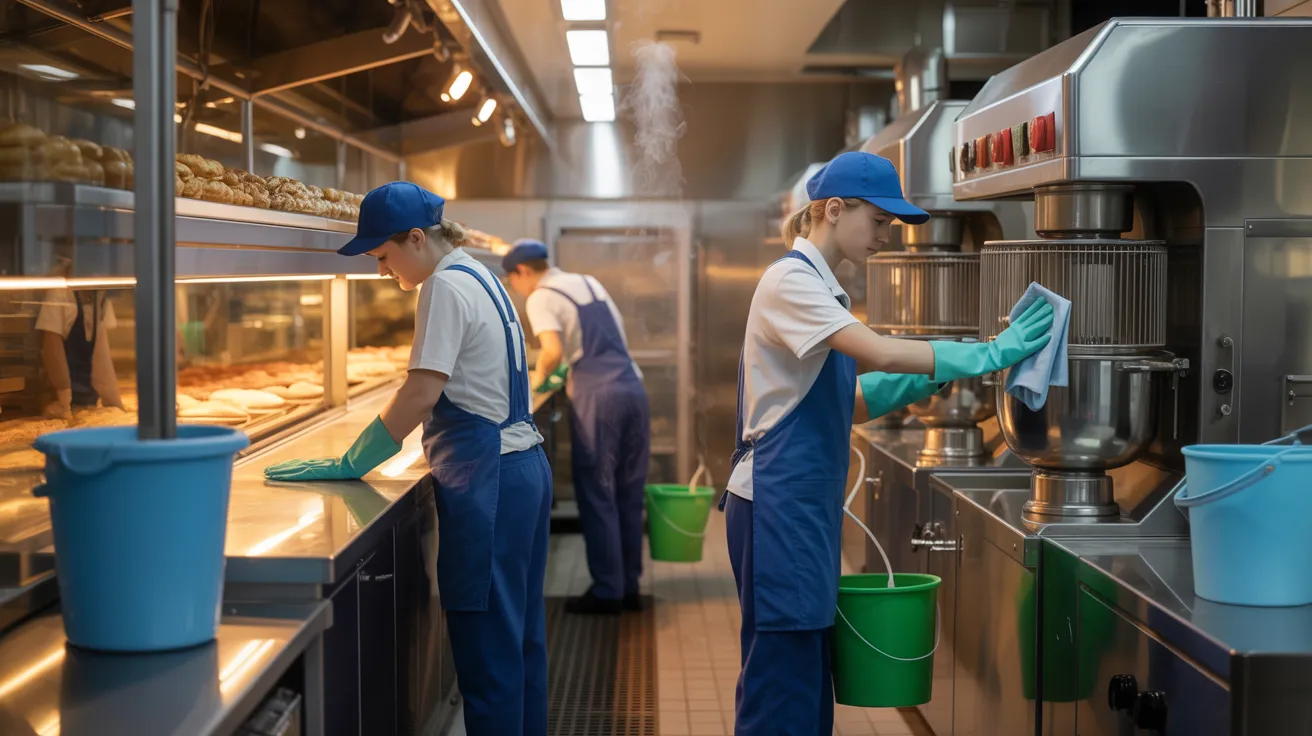
Main Points
- Brampton sanitation experts service restaurants, grocery departments, commissaries, warehouses, bakeries, schools, mobile vendors, and allergen-sensitive operations.
- Zone-based workflows treat high-touch surfaces, food-contact equipment, kitchens, floors, drains, restrooms, and storage areas for reducing cross-contamination.
- Filing of finalization through checks, audits, and correction logs ensures qualified specialists have validated approved sanitizer dilution, appropriateness, and exposure duration.
- Regular, regular, and cyclical activities assigned by area form hygiene schedules built on risk, throughput, format changes, incidents, and guidelines.
- Select vendors with hazard analysis knowledge, public-health, knowledge, WHMIS, education, protection, testimonials, color-categorized implements, and inspection-ready sanitation records.
What Brampton Establishments Require Food Safety Cleaning?
Brampton facilities that deal with, maintain, prepare, package, explanation or provide food require sanitation protocols. Implement it if your operation is subject to public health inspection, food premises regulations, or internal HACCP-based controls. The mandate covers dining establishments, employee cafes, food distributors, market sections, meat shops, fish counters, local shops, and commercial kitchens.
Compliant food safety cleaning remains necessary in warehouses, food manufacturing plants, cold storage sites, retail bakeries, school nutrition programs, banquet halls, and meal delivery hubs. Temporary mobile establishments are included, examples being catering vehicles, festival vendors, and pop-up establishments. Your venue needs written cleaning standards whenever your employees prepare supplies, portion finished foods, reheat dishes, or organize allergen inventory. In Brampton, hygiene stays voluntary; it forms part of lawful, operational, and customer protection standards.
What Do Brampton Cleaning Experts Clean?
Your facility requires professional cleaners who disinfect frequently contacted surfaces, kitchens, all floor types, and restrooms to maintain food safety compliance and public health standards. These zones receive attention because they represent the most significant contamination risk, hazardous walking conditions, and violations of hygiene standards.
If you grasp what they sanitize, you'll successfully ensure your operation satisfies all operational and regulatory compliance needs.
Critical High-Touch Surface Cleaning
base sterilization timing according to foot traffic, environmental hazards, and business activities.
confirm that cleaning has proper
Kitchens, Floors, and Restrooms
Brampton cleaning services zero in on kitchens, floors, and restrooms as each zone involves different food safety, accident, and wellness risks. In industrial kitchens, you need grease removal from cooking stations, appliance surfaces, drain systems, preparation areas, and backsplashes to reduce contamination and pest pressure.
Professional floor care with documentation is also included. is likewise provided as part of the service.
Restroom sanitation requires decontaminating touchpoints, fixtures, partitions, dispensers, and waste containers, replacing items and managing smells. They also maintain restaurant cleaning supply rooms where product storage, sink cleanliness, and drain systems impact daily sanitation standards and worker protection.
Food Safety Cleaning Significance for Brampton Businesses
Brampton businesses need to implement proper sanitation practices for meeting legal standards and obtaining approval. You also reduce bacterial spread through proper cleaning of food-preparation surfaces, appliances, and frequently-touched items. Most importantly, you help protect community wellness by reducing the chance of food poisoning in your establishment.
Regulatory Code Requirements
Food companies in Brampton face strict public health standards, making food safety cleaning crucial to satisfying health code requirements, protecting patrons, and sidestepping enforcement action. You must maintain hygienic food handling zones, documented cleaning schedules, appropriate product handling, and traceable training practices that meet municipal and provincial inspection expectations.
Robust cleaning systems promotes allergen management by limiting residue on joint machinery and commonly contacted zones.
Cross-Contamination Prevention
Following regulatory requirements depends on your ability to prevent cross-contamination in daily food handling and cleaning. You must separate raw ingredients from ready-to-eat foods, disinfect work areas after use, and maintain separation of cleaning products from food. Well-defined guidelines decrease contamination chances and support consistent compliance during inspections.
Implementing allergen segregation helps keep priority allergens from contacting communal work zones, bins, or devices. Deploy dedicated cutting boards, color-coded tools, and strict utensil labeling so staff don't mix items during preparation or service. Enforce hand hygiene following fresh proteins, aquatic items, egg products, or allergen materials. Refresh cleaning cloths often, and verify sanitizer strength with test strips. When your team learns these guidelines per shift, you create a cleaner, safer operation that meets Brampton's food safety expectations regularly.
Community Health Safety
If food safety cleaning declines, you don't merely face potential inspection issues—you amplify the risk of pathogenic contamination affecting customers, staff, and the broader Brampton area. You also weaken your role in safeguarding community wellness, especially in high-traffic food premises where pathogens travel quickly through surfaces, equipment, and touchpoints.
You need sanitation systems that eliminate soils, sanitize effectively, and confirm results. This involves maintaining contact periods, using authorized sanitizers, documenting procedures, and coaching employees to meet regulatory requirements. These controls promote pathogen control by minimizing pathogens before contaminating food or hands. Throughout Brampton, strong cleaning safeguards susceptible populations, minimizes disease potential, and demonstrates accountability. When you follow proper protocols, you go beyond requirements—you lower hazards and enable safer food service region-wide.
In What Ways Does Cleaning Help Achieve Food Safety Compliance?
Strict sanitation practices promote food safety compliance by lowering contamination exposure, preventing pathogen multiplication, and keeping your facility aligned with sanitation requirements under HACCP-based programs and public health regulations. You confirm that food-handling surfaces are visibly clean and microbiologically controlled, backing documented preventive controls and inspection readiness.
Strategic cleaning practices also improve allergen mitigation by eliminating residues that can lead to undeclared allergen exposure.
When Do You Plan Commercial Cleaning?
Plans for cleaning are most successful when established based on risk factors, production capacity, and regulatory needs instead of just a predetermined calendar.
handled independently
What Should You Look For in Brampton Cleaning Experts?
Screen providers initially by their food-safe sanitation requirements—not budget alone. You need to confirm that every company meets CFIA, public health, and HACCP-aligned expectations for your operation. Demand insurance verification, WHMIS compliance, training records, and management systems. Evaluate technician understanding of contamination dangers, chemical safety, and documented sanitation practices.
You should also assess operational reliability and responsibility. Request references from Brampton food businesses, then examine response times, corrective-action procedures, and communication standards. Confirm the company supports supplier audits and can present audit-ready records when regulators or third parties request evidence. Check whether equipment is maintained is performed, colour-coded tools are used appropriately, and site-specific hazards are recognized. A competent service protects regulatory adherence, product integrity, and your brand reputation.
Which elements are part of a Food Safety Cleaning Plan?
Put together a written program that establishes every sanitation duty, standard, and accountability ahead of production commencement. You should list cleaning intervals, permitted substances, dilution percentages, exposure times, instruments, and inspection methods for each sector, surface, and equipment. Add pre-operational inspections, corrective actions, and employee training requirements.
Your strategy should also address contamination prevention controls, waste handling procedures, pest management measures, and written schedules for rest areas, drains, flooring, and food-contact surfaces. Describe how you'll separate raw and ready-to-eat processes, facilitate ingredient tracking, and maintain accurate allergen labeling through validated cleaning between product changes. You should assign accountability, keep signed records, and assess results against regulatory standards, HACCP controls, and customer requirements. When gaps appear, update procedures immediately and instruct staff.
Commonly Asked Inquiries
Will cleaning services manage nighttime hours at Brampton properties?
Yes, you can schedule cleaning services to accommodate overnight shifts in Brampton facilities. You'll coordinate overnight sanitation around production windows, security measures, and personnel needs. Providers typically map nightshift logistics to reduce disruption, ensure adherence, and document completed tasks. You should confirm response times, supervision, lockout procedures, and waste handling before service begins.
Can sanitation professionals handle hazardous incidents?
Yes, you can find many Brampton sanitation professionals who provide emergency spill response services. They handle contamination, evaluate dangers, contain contamination, and start rapid decontamination to minimize risk and prevent business interruption. You should confirm response times, training certifications, PPE protocols, and disposal procedures. If your facility must meet regulatory requirements, select a service that documents incidents, maintains regulatory procedures, and supports audit readiness.
Can green disinfectants be applied securely on surfaces contacting food?
Yes, green disinfectants can be suitable for food-handling equipment if you select disinfectants approved for food contact and regulatory compliant. You should verify application timing, dilution ratios, and rinse procedures before deployment. Many plant based formulas reduce chemical hazards, but you should gather demonstration of efficacy against specific pathogens. To keep surfaces residue-free, you should follow precise manufacturer instructions and ensure the disinfecting agent meets food industry regulations.
Will maintenance plans accommodate seasonal shifts?
Certainly, cleaning schedules adapt to production fluctuations well. Modify intervals, labor allocation, sanitizers, and verification steps to match with production rhythms while maintaining regulatory compliance. Limit production interruptions by timing disinfection around line changes, peak volumes, and equipment use patterns. Additionally modify written procedures, instruction programs, and monitoring protocols to address transient threats, additional allergens, or higher contamination levels. Scheduled reviews preserve your program functional.
Are commercial cleaners offering employee instruction on sanitation best practices?
Certainly, commercial cleaners coach your staff on sanitation best practices. You secure employee development on correct chemical practices, contact times, contamination control, equipment disassembly, and documentation procedures. They generally coordinate instruction with HACCP, GMP, and CFIA or local public health requirements. Many execute health assessments to verify compliance, identify gaps, and reinforce corrective actions. This helps you copyright standard processes, satisfy audits, and reduce food safety risks daily.
Conclusion
When you partner with Brampton food safety and commercial cleaning experts, you don't just tidy up—you maintain your facility audit-prepared and your protocols compliant. From kitchens to processing floors, every clean surface and maintained area helps reduce pest intrusion and prevent costly setbacks. By scheduling service at the right intervals and following a clear cleaning plan, you protect staff, patrons, and your reputation. In a tightly regulated environment, clean spaces are essential—they're part of doing business right.